
NASA Engineer Hosts Aerospace Camp for Teens in El Salvador
The program, led by Patricia Ortiz, is designed for teenagers aged 11 to 15 who are interested in science, technology, engineering, arts, and mathematics.
Aerospace engineer Patricia Ortiz, a NASA project manager and founder of Kids Need Space, will host the "Mars Frontier Camp" from September 23 to 25, 2026, aimed at Salvadoran teenagers aged 11 to 15.
The event will take place at the Micro Macro Observatory of Don Bosco University (UDB) in Soyapango, with the goal of introducing young people to hands-on experiences in science, technology, engineering, arts, and mathematics (STEAM). Applications will remain open until July 7.
The program will accommodate 100 students, with daily sessions running from 9:00 AM to 4:30 PM. Participants will take on various roles within a simulated mission to Mars to solve challenges related to space exploration.
According to the announcement published by Kids Need Space, the teenagers will work in teams as engineers, scientists, biologists, mission specialists, commanders, and storytellers while facing scenarios inspired by an expedition to the Red Planet.
The experience will be based on hands-on activities that allow participants to apply knowledge across STEAM disciplines through collaborative challenges carried out over three days.
Three Days of Mars-Inspired Missions
The first day, titled "Mission 01: Arrival on Mars," will take place on September 23. In this activity, participants will simulate a space mission landing and design a habitat capable of ensuring their crew's survival during their first hours on the planet.
On September 24, "Mission 02: Surface Exploration" will take place, where crews will build a rover or exploration vehicle, receive EVA (Extravehicular Activity) training, and participate in tests within a Martian exploration simulation.
The experience will conclude on September 25 with "Mission 03: The First Human Colony." During this session, teams will develop 3D-printed innovations, design a colony on Mars, and present their proposal on how they envision humanity's future on that planet.
According to the official schedule, each mission represents a distinct stage of a space expedition and is designed for participants to solve challenges through teamwork.
How to Participate in the Camp?
Interested applicants must complete the form available on the Kids Need Space website, which requests personal information, school details, current grade level, academic history, and medical information, in addition to answering questions related to problem-solving, creativity, collaborative work, and interest in STEAM disciplines.
The camp costs $350, although the organization notes that students can apply for a scholarship by completing the application and meeting the program's requirements, which include demonstrating financial need, submitting a letter of recommendation, and maintaining a GPA above 8.5. The deadline to submit the application is July 7, 2026.
The Initiative Aims to Connect Youth with the Space Economy
According to Kids Need Space, its mission is to drive talent toward the space economy through immersive K–12 STEM education programs aimed at students from elementary through high school, while also promoting engineering research internships, aerospace mentorships, and keynote lectures.
The organization notes that these initiatives seek to contribute to the training of future generations of engineers, scientists, and leaders connected to the space industry.
Patricia Ortiz's Career Path
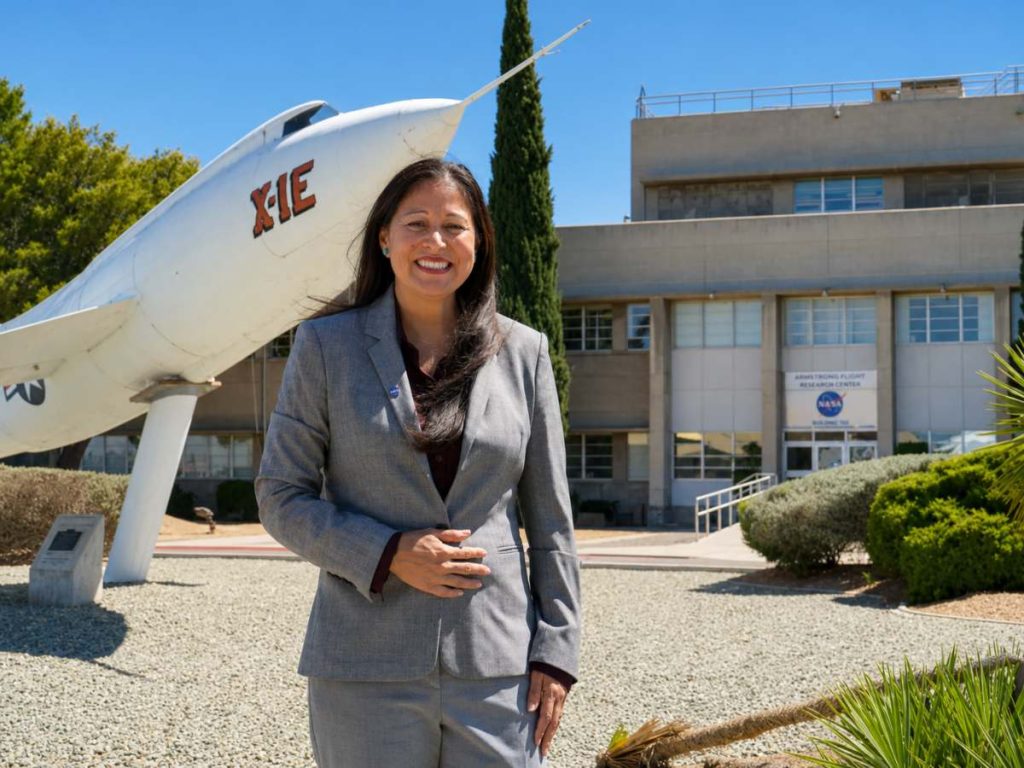
Patricia Ortiz is introduced as an aerospace engineer, NASA professional, and founder of Kids Need Space.
The engineer has over 22 years of experience in the aerospace industry and has participated in the design and testing of spacecraft and aircraft, according to Kids Need Space.
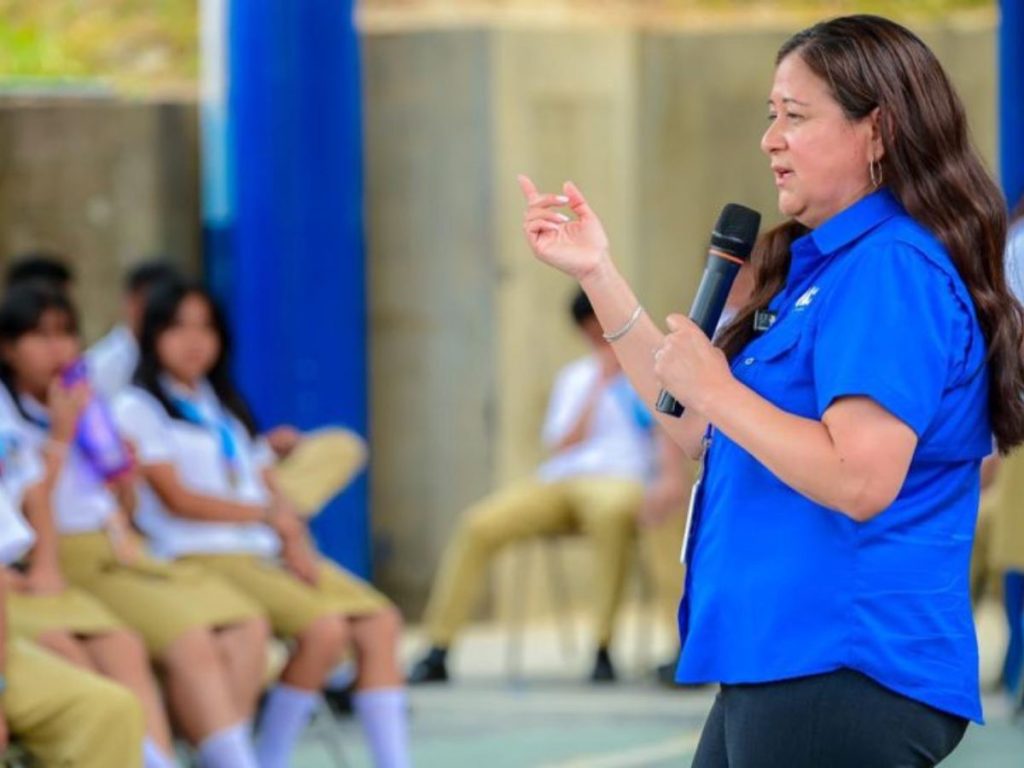
In April of this year, Ortiz visited various Salvadoran schools to announce the camp and share part of her professional experience on the Artemis II mission.
During these activities, she explained that she participated in and led the construction of the Orion spacecraft's heat shield spectrometer, a technology developed to gather data during the capsule's reentry and protect the crew. The engineer noted that developing this system took nearly 10 years.
Source: https://www.elsalvador.com/noticias/nacional/campamento-aeroespacial-adolescentes-nasa/1281016/2026/